
Cities

Published
Impact Area/s
Categories
Tags
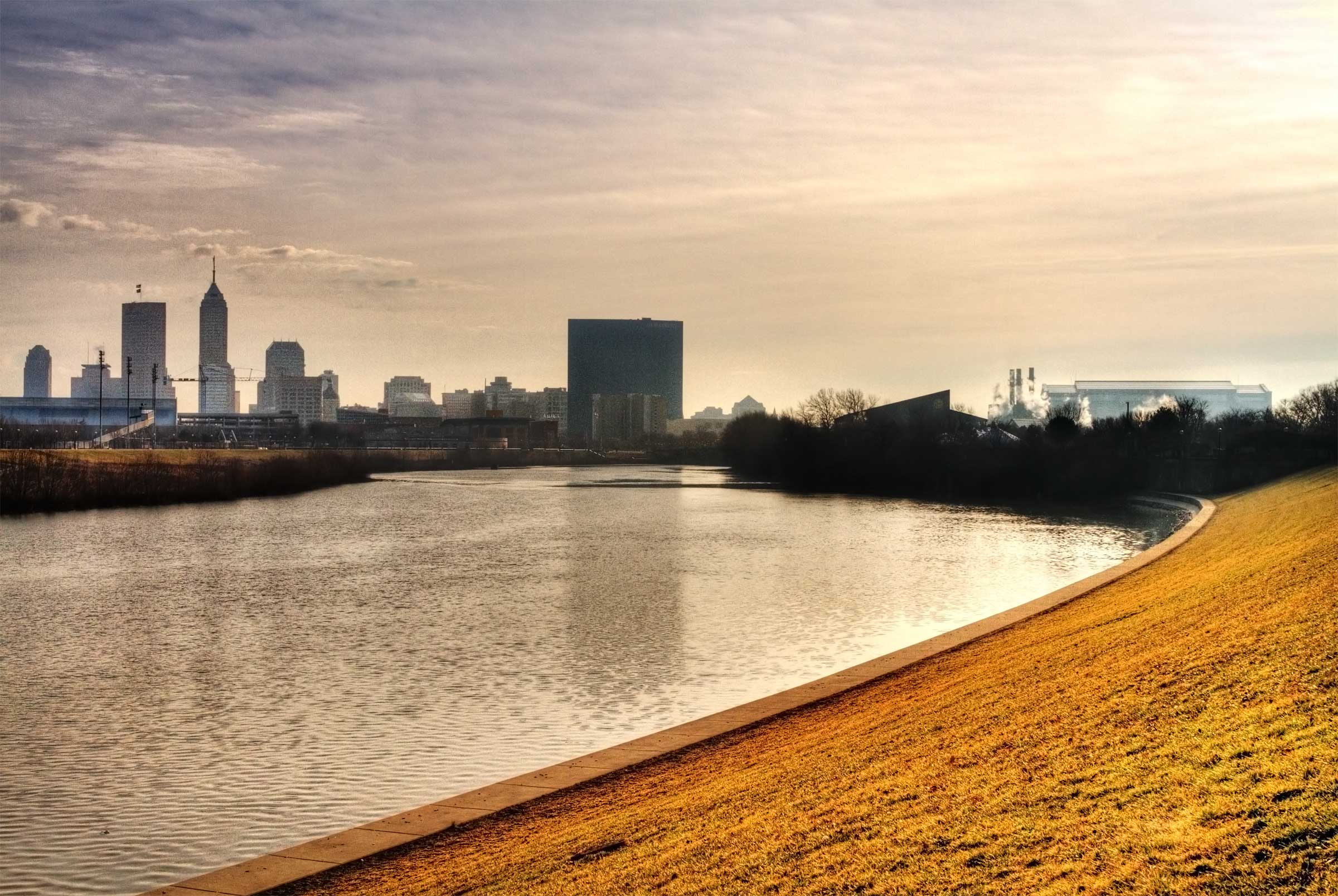
The location of a city is almost always dictated by its proximity to water. Whether it be for agriculture, shipping, or drinking, water is a crucial part of any city. That is how water affects cities, but how do cities affect water?

Cities can pollute water in a number of ways. Fertilizers and pesticides dumped on lawns have similar effects to those used in agriculture (we explored those effects in a previous blog post). Cities also dump oil and plastic into waterways and create sewage. They can also create flash flooding which can cause dangerous erosion.

Oil from cars and gas stations builds up until a rainstorm and is then washed away. From there, it can get into water supplies for cities. Yard and pet waste, as well as litter, can also find their way into the town’s stormwater. Depending on a town’s infrastructure, runoff and storm sewage can sometimes even include zinc, benzine, and lead.

Some cities, such as New York, combine storm sewage with their regular sewage system. While this saves money on new pipes, and can easily and safely handle small showers, in the event of a large downpour, the raw sewage can back up and be released directly into the nearby rivers.

pasted image 0.png

Some city’s without combined sewers, such as Bloomington, IN, have posted placards on their storm drains to discourage littering and dumping. Although this does not completely solve the problem, it spreads public awareness. Cities are often known for poor water quality, but much of that blame goes to the manufacturing industry, which will be covered in the next installment… 

Sources

https://www.scientificamerican.com/article/how-to-keep-waste-oil-out

https://www.epa.gov/nutrientpollution/sources-and-solutions-stormwater

https://en.wikipedia.org/wiki/Combined_sewer

By Sam Fischman
Share:

212-year-old Family Farm Preserved

Conservation Law Center helps George Rogers Clark Land Trust preserve 212-year-old family farm utilizing USDA Agricultural Conservation Easement Program.
Read More

Standing Up for Communities in Zoning and Land Use Decisions

CLC works alongside community partners to influence environmental regulations and promote policies that protect health and the environment in the Region.
Read More

Influencing Environmental Policy for a Healthier Northwest Indiana

CLC works alongside community partners to influence environmental regulations and promote policies that protect health and the environment in the Region.
Read More

Supporting Research to Reduce Human–Wildlife Conflict in Tanzania

Conservation Law Center is partnering with the Tanzania Wildlife Research Institute (TAWIRI), international NGOs, and academic collaborators to support research and policy development aimed at ...
Read More

Strengthening Environmental Safeguards Through Permitting

Through targeted permit advocacy, CLC helps ensure industrial operations in Northwest Indiana meet strong legal standards that protect community health and the environment.
Read More

331 Acres of Farmland Protected

New NRCS Agricultural Land Easement in Harrison County, Indiana
Read More