The East Chicago Common Council voted on Wednesday to block an Illinois scrap metal recycler from opening a facility just south of the School City of East Chicago’s administration building.
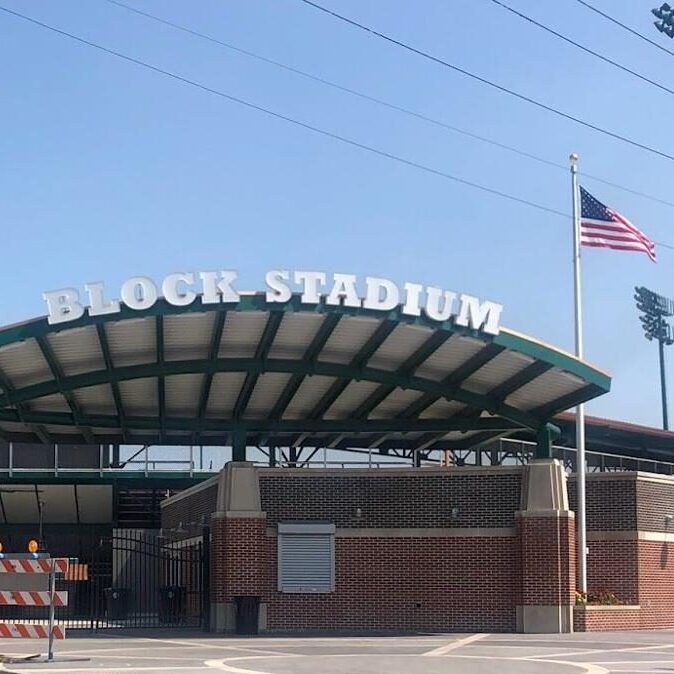
Aurora-based Universal Metal Recycling asked the city to approve a special-use exception for a new facility on Euclid Avenue. The site eyed by the company also abuts East Chicago’s Block Stadium and sits less than 1000 feet from St. Catherine Hospital. George Washington Elementary is also nearby.
Councilman Terence Hill, D-3, whose district includes part of the would-be recycling plant site, told The Times that existing recycling facilities in East Chicago have produced significant noise and truck traffic. Though the land is zoned for heavy industrial use, Hill said the planned facility, which would have involved the use of a heavy-duty metal shredder, “wouldn’t be a good fit” for the area.
He noted that the baseball stadium recently underwent a multiyear, $8 million series of renovations aimed at modernizing the 85-year-old facility.
University Metal Recycling’s petition, which went before East Chicago’s Board of Zoning Appeals on Nov. 20, drew the attention of the Conservation Law Center, an organization whose attorneys provide free legal support and guidance on environmental issues in northern Lake County.
In a Nov. 19 letter to the East Chicago Planning and Economic Development Department, attorney Rachel Schwartz wrote that the proposed facility site’s proximity to the school, ballpark and hospital “warrants close attention to potential impacts on anyone using these community resources,” and recommended “that the Board of Zoning Appeals delay consideration of the variance application until the next hearing date to allow for a more meaningful public participation process.”
Schwartz went on to enumerate a list of questions for the BZA to ask Universal Metal Recycling, including the types of materials that would be processed at the new plant and what sort of byproducts would be generated.
The BZA did not delay action on the item, but voted to deliver the company’s petition to the city council with a negative recommendation.
Metal recycling facilities can emit potentially health-harming chemicals into the surrounding air. Among these are volatile organic compounds, which, in high enough concentrations, can cause eye irritation and nausea in the short term. Long-term repeated exposure can have more serious consequences, including brain, kidney and liver damage, depending on the type of compound and the level of exposure.
State and federal environmental agencies are tasked with regulating emissions from the facilities. In 2021, the U.S. Environmental Protection Agency announced plans to crack down on metal recyclers found to be violating the Clean Air Act.
“These facilities are often located in densely populated areas — noncompliant shredders can have an impact on overburdened communities,” the agency wrote in a notice to recycling industry businesses. “Enforcement actions have assessed substantial penalties and have required the installation of emission control equipment.”