Northwest Indiana was once home to the Grand Kankakee Marsh, one of the largest inland wetlands in the country. Nestled in the center of this one-million-acre marsh was Indiana’s largest natural lake, called Beaver Lake. These bodies of water provided habitat for countless species and inspired many. In the early 1900s, both were drained and destroyed.
For over a century now, the land that once supported the Grand Kankakee Marsh has been used for intensive agriculture. Even though the Grand Kankakee Marsh can never be restored to its previous size and function, certain characteristics of the wetland still remain. The type of soil there holds onto water, and infrastructure like tile drainage systems and channels are necessary to prevent agricultural fields from flooding. In other words, even though the Grand Kankakee Marsh in its full glory is permanently lost, and the region is currently dominated by row crops, the fundamental hydrologic structure of a wetland remains—and this has important legal implications.
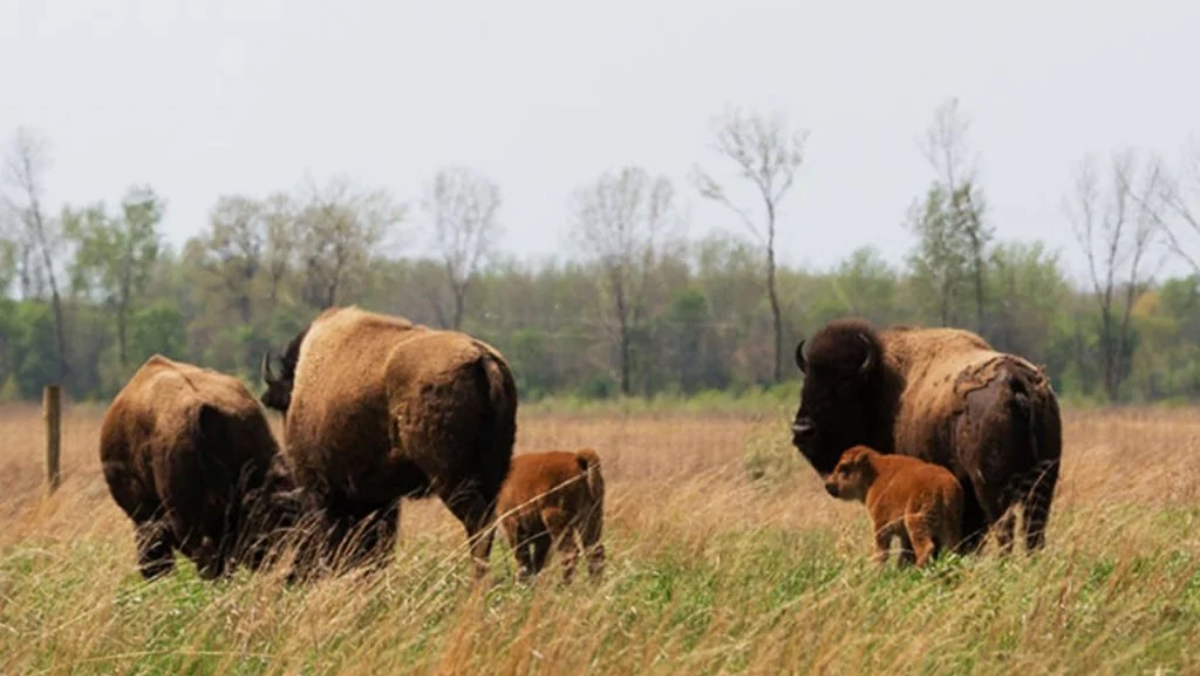
There is still a place to glimpse what a natural northwestern Indiana ecosystem used to look like: Kankakee Sands in Newton County, IN, managed by The Nature Conservancy. Thanks to yearslong acquisition and restoration work by many dedicated conservation partners, the nature preserve spans 8,400 acres of dry, mesic, and wet prairies, black oak savannas, and wetlands. These mosaic ecosystems support dozens of rare, threatened, and endangered species—including a thriving bison herd. Kankakee Sands welcomes visitors year-round, and teaches us about Indiana’s ecological past, present, and future.
The ensuing story, however, is the story of the land next door.
What happened
In the bed of old Beaver Lake, a Texas-based dairy company filled ditches that drained to the Kankakee River, installed 77 miles of underground drainage pipe, and filled more than 700 acres of farmed wetland to build an industrial dairy farm. The Clean Water Act requires inspections for activities like filling ditches and installing drainage pipes and, if wetlands are determined to exist, permits must be attained before any work is done. The dairy company, however, did not consult the U.S. Army Corps of Engineers before altering the land. Instead, it contacted the Corps about two years into the construction project, only after nearby residents and CLC raised concerns.
When the Corps retroactively reviewed the site, it found no wetlands or waters eligible for federal protection. However, the Corps considered the land’s condition only after the ditch-filling and pipe-laying, not before. It reasoned that cropped lands were not wetlands and that the ditches were not regulated because the company said they were only previously used for irrigation.
Why the “before” picture matters
Under the Clean Water Act, filling protected wetlands or waters requires a permit. The Corps decides which areas are protected through a jurisdictional determination, an official finding on whether a site contains waters that the federal law covers.
Farmland can contain protected wetlands. Farmed wetlands are areas that were converted to crop production (drained and/or cleared) prior to December 23, 1985, but still retain wetland characteristics. If land has wetland soils and wetland hydrology, it can qualify as a farmed wetland even after years of agricultural activities.
If the Army Corps considers a site only by its condition after unauthorized changes, “fill first, ask later” gets rewarded.
The case
In July 2019, CLC filed suit in the U.S. District Court for the Northern District of Indiana on behalf of Hoosier Environmental Council, Indiana Audubon Society, and residents of nearby Lake Village. The case challenged the Corps’ determination and brought a citizen enforcement claim against the company under Section 404 of the Clean Water Act.
The court reversed the Corps’ decision. It found the determination arbitrary and capricious, unsupported by the record, and a significant departure from the agency’s own technical guidance. It ordered the Corps to reassess whether the land had wetland soils and hydrology before it was altered, and whether the now-filled ditches previously carried relatively permanent flow.
A lasting result
After the ruling, two rounds of mediation, and extensive negotiations, the claims against the company settled. In March 2024, the court entered a consent judgment and kept jurisdiction to enforce it. The terms are confidential but provide substantial environmental benefits, including protections against water pollution and animal waste from the dairy.
The case took nearly five years from filing to settlement. That’s often what accountability requires: time, patience, and perseverance.
Related: A Win for Wetlands and Government Accountability: HEC v. Natural Prairie Indiana Farmland Holdings
Help keep our legal help free.
Conservation Law Center is an independent, donor-supported nonprofit. Your gift helps land trusts, conservation groups, and communities get the expert legal help they need, at no cost.