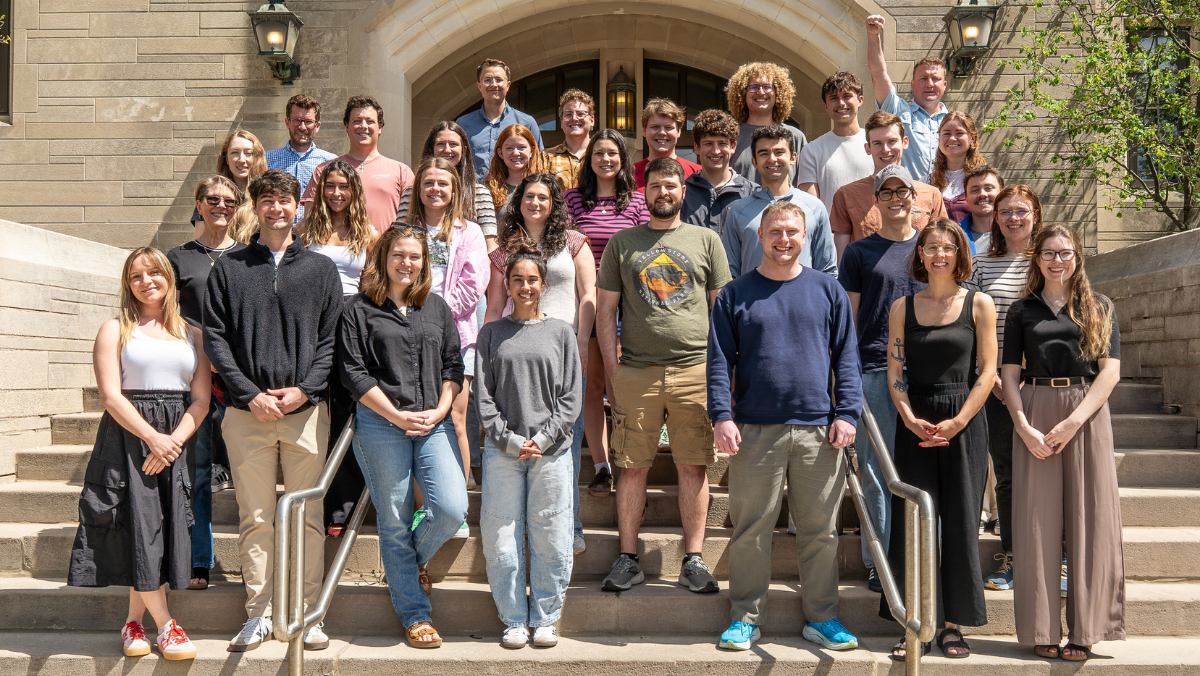
Like the previous semester, the cohort included dozens of students working in small teams. But this semester’s presentations revealed something new: not just growth in confidence, but a deeper understanding of what it actually means to practice law.
CLC’s model is rooted in experiential learning. Students work on active matters for a wide range of clients, including conservation organizations, land trusts, community groups, and local advocates. They gain exposure to issues that span land conservation, water resources, biodiversity, and environmental governance. What stood out this semester, however, is not just the variety of projects but the profound responsibility the students assume within them.
This semester, that responsibility took many forms. Some students helped guide emerging conservation groups through the legal steps required to formalize their organizations, learning how to translate complex legal requirements into clear, practical advice. Others conducted multi-jurisdictional research on environmental challenges abroad, grappling with how to evaluate legal systems across different political and juridical contexts. Multiple groups worked on litigation-oriented projects, drafting briefs, and thinking strategically about how environmental laws operate in practice.
Across projects, students encountered a common challenge: The law is rarely neat or complete. For many, it was challenging to define their project’s scope and navigate the gray zones of the law where clear guidance is limited. These obstacles are not just academic exercises but rather the core components of legal practice. As one student reflected, the experience made it possible to “learn how being a lawyer works in the real world.”
Client interaction was another defining feature of the semester. Students learned how to ask better questions, manage expectations, and communicate advice clearly. They experienced firsthand that effective lawyering is often iterative, requiring ongoing dialogue and collaboration rather than one-time answers. In this way, the Clinic reinforces a central professional lesson: Good legal work is as much about relationships and judgement as it is about technical expertise.
The range of skills students developed was equally notable. They engaged in detailed document review, legislative and policy analysis, motion drafting, negotiation exercises, and strategic research. They also learned how to work in teams by dividing responsibilities, synthesizing different perspectives, and supporting one another to understand complex issues.
The collaborative dynamic in this cohort was coupled with a strong sense of purpose. Many students spoke about gaining a deeper appreciation for the communities and ecosystems their work affects, as well as the role that legal advocacy can play in supporting both. The students’ experiences reinforces that conservation law is not abstract—it is grounded in real places, real people, and real consequences.
Through hands-on work with real clients across a broad range of conservation issues, the Conservation Law Clinic continues to provide a training ground where future environmental attorneys do more than learn about the law. They learn how to use it.