
Great Plains Wind Corridor Comments

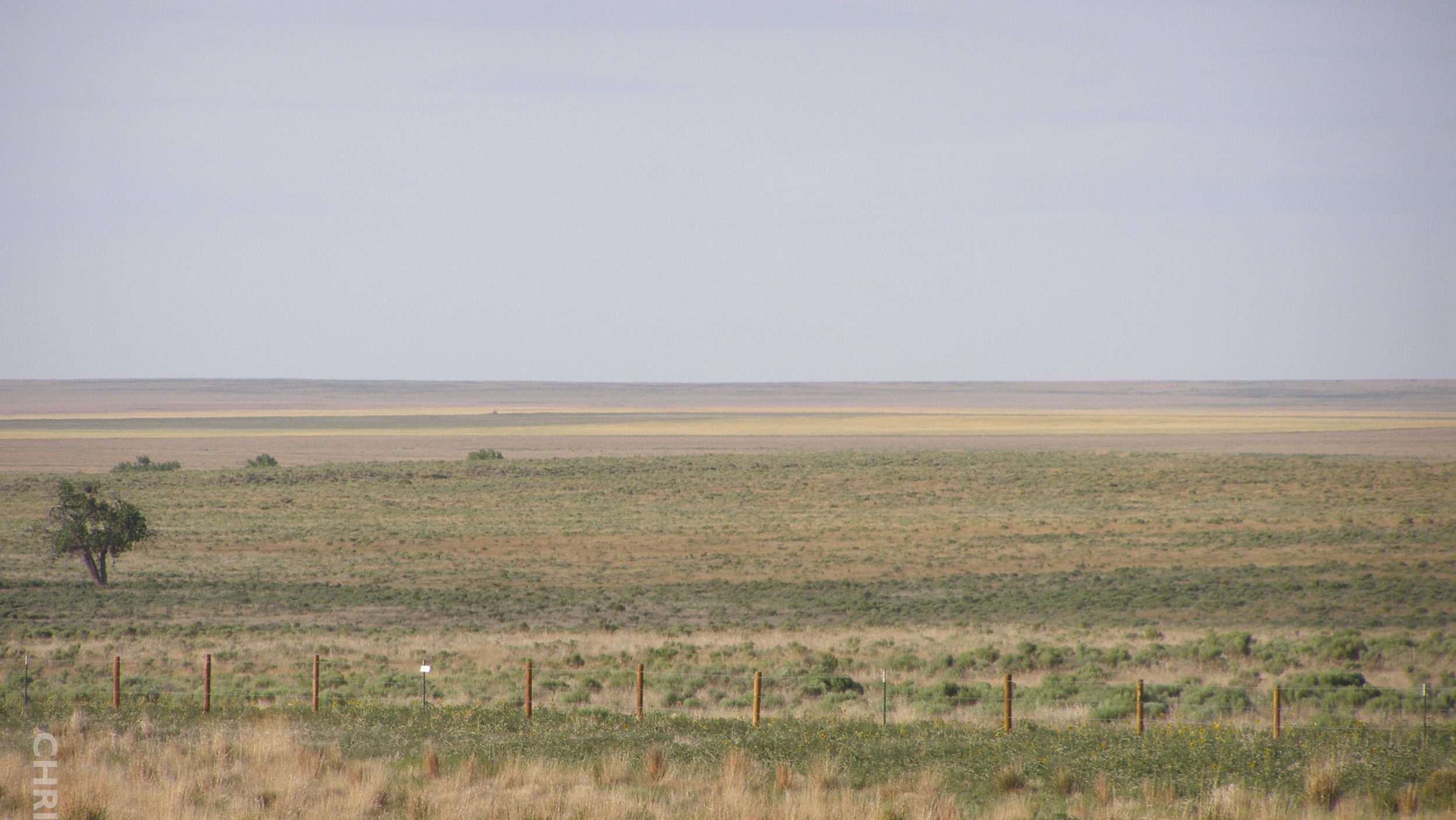
The CLC, in collaboration with American Bird Conservancy (ABC), recently submitted comments on the U.S. Fish and Wildlife Service's initial plan to fast-track wind energy projects within a 200-mile-wide corridor through the Great Plains from Canada to the Texas coast.

The corridor roughly follows the migratory path of the federally endangered Whooping Crane. Wind energy facilities built and operated in the Great Plains region will impact several species, including the Whooping Crane, that are listed as endangered or threatened under the Endangered Species Act (ESA). A consortium of commercial energy companies — including BP and Iberdrola Renewables — have asked the FWS to issue “incidental take permits,” which would allow the wind facilities to kill, harm, or harass ESA-listed species. The large geographic scope and the number and diversity of species that may be impacted by the projects make this proposed application of the ESA unique.

Although wind power is likely to be an important part of the solution to climate change, wind projects can have devastating impacts on wildlife and must be carefully designed, sited, studied, operated, monitored, and mitigated to avoid and minimize such impacts. In their comments to FWS, CLC and ABC made recommendations on the species that need to be protected, the alternative processes for issuing incidental take permits, and the impacts that need to be evaluated in the associated environmental impact statement.
Share:

212-year-old Family Farm Preserved

Conservation Law Center helps George Rogers Clark Land Trust preserve 212-year-old family farm utilizing USDA Agricultural Conservation Easement Program.
Read More

Standing Up for Communities in Zoning and Land Use Decisions

CLC works alongside community partners to influence environmental regulations and promote policies that protect health and the environment in the Region.
Read More

Influencing Environmental Policy for a Healthier Northwest Indiana

CLC works alongside community partners to influence environmental regulations and promote policies that protect health and the environment in the Region.
Read More

Supporting Research to Reduce Human–Wildlife Conflict in Tanzania

Conservation Law Center is partnering with the Tanzania Wildlife Research Institute (TAWIRI), international NGOs, and academic collaborators to support research and policy development aimed at ...
Read More

Strengthening Environmental Safeguards Through Permitting

Through targeted permit advocacy, CLC helps ensure industrial operations in Northwest Indiana meet strong legal standards that protect community health and the environment.
Read More

331 Acres of Farmland Protected

New NRCS Agricultural Land Easement in Harrison County, Indiana
Read More