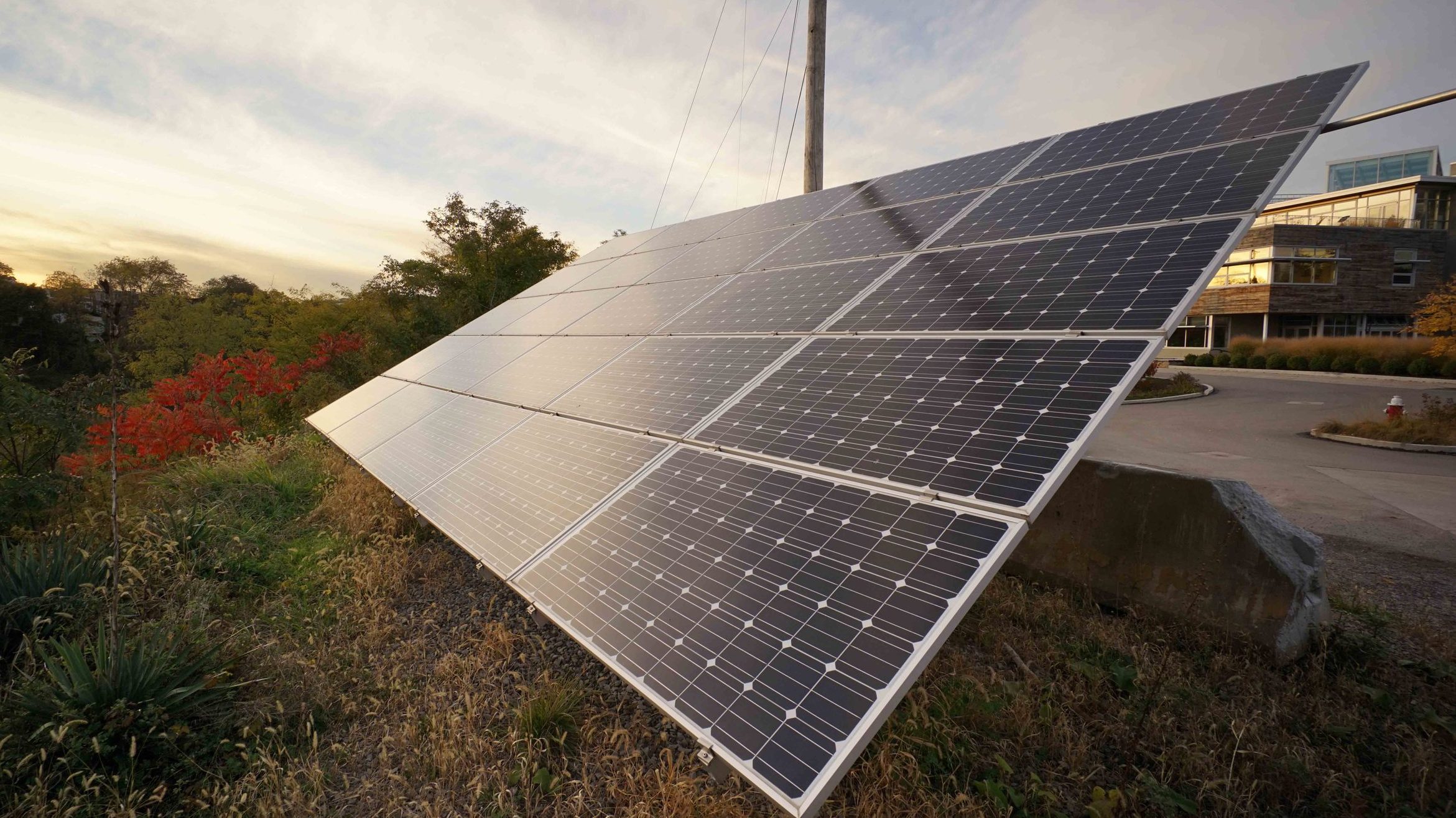
Ensuring Responsible and Environmentally Sensitive Development of Renewable Energy

Renewable energy sources such as wind and solar are critical components of our national strategy to fend off climate change, reduce pollution, and promote energy independence.

However, renewable energy development does not come without potentially serious environmental impacts, especially to wildlife. In an attempt to help ensure that renewable energy is developed in an environmentally sensitive manner with minimal impacts to wildlife, CLC attorneys and Clinic interns continue to track and comment on permitting and NEPA processes for proposed renewable energy facilities where there is federal involvement. The CLC recently submitted formal comments to the U.S. Fish and Wildlife Service regarding a proposed wind energy facility in Ohio that has the potential to harm endangered Indiana bats.

See Comments Here

Share:

212-year-old Family Farm Preserved

Conservation Law Center helps George Rogers Clark Land Trust preserve 212-year-old family farm utilizing USDA Agricultural Conservation Easement Program.
Read More

Standing Up for Communities in Zoning and Land Use Decisions

CLC works alongside community partners to influence environmental regulations and promote policies that protect health and the environment in the Region.
Read More

Influencing Environmental Policy for a Healthier Northwest Indiana

CLC works alongside community partners to influence environmental regulations and promote policies that protect health and the environment in the Region.
Read More

Supporting Research to Reduce Human–Wildlife Conflict in Tanzania

Conservation Law Center is partnering with the Tanzania Wildlife Research Institute (TAWIRI), international NGOs, and academic collaborators to support research and policy development aimed at ...
Read More

Strengthening Environmental Safeguards Through Permitting

Through targeted permit advocacy, CLC helps ensure industrial operations in Northwest Indiana meet strong legal standards that protect community health and the environment.
Read More

331 Acres of Farmland Protected

New NRCS Agricultural Land Easement in Harrison County, Indiana
Read More