Indianapolis – Hoosier Environmental Council (“HEC”) has filed to intervene in a lawsuit between the United States and the Hammond Sanitary District to prevent the parties from indefinitely delaying compliance with the Clean Water Act as set out in a Consent Decree entered in federal court in 2017.
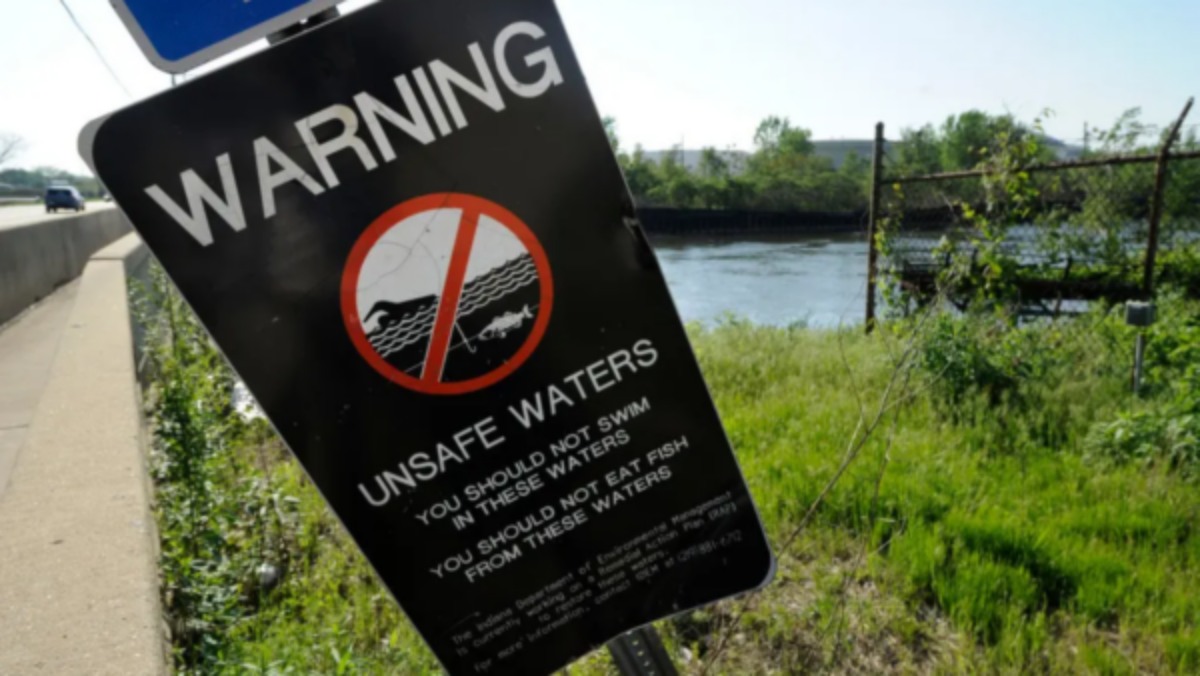
In late 2024, the Hammond Sanitary District quietly stopped work on a new treatment facility required by the 2017 Consent Decree. That facility was designed to prevent millions of gallons of untreated sewage and other wastewaters from entering the Little Calumet River through combined sewer outfalls, and to manage additional wastewaters from the towns of Highland and Griffith.
HEC recently learned that the U.S. Environmental Protection Agency (EPA) and Indiana Department of Environmental Management (IDEM), the government agencies who negotiated and are responsible for enforcement of the 2017 Consent Decree, have taken no action to prevent this indefinite delay. The Sanitary District’s purported reason for the delay is a dispute between its members – Hammond and Munster – over the relative share that each will pay for the new facility.
“Every month that the new treatment facility is not in place is another month that the Little Calumet River – the lifeblood of the Calumet Region – remains impaired with E. coli and other pollutants,” said David Van Gilder, HEC’s Policy and Legal Director. “Lake County residents, including HEC members, are being deprived of the natural beauty and recreational opportunities the Little Calumet River could afford them were it not being used as an open sewer. Delaying construction of the new treatment facility over the Sanitary District’s internal dispute about cost-sharing is further harming human health and the environment, and only increasing the ultimate costs that both communities will need to pay.”
The Little Calumet River, which stretches from Gary to the Des Plaines River in Illinois, has long been used by Hammond to receive millions of gallons of untreated sewage and other wastewaters from its combined sewer system. Hammond has repeatedly fought to continue discharging untreated sewage into the Grand Calumet and Little Calumet Rivers instead of installing the improvements needed to properly treat its waste. The United States has been in litigation with the Hammond Sanitary District over its violations of the Clean Water Act since at least 1993. The parties reached agreement in 1999, but the Sanitary District quickly violated the terms of that consent decree, resulting in further litigation and, ultimately, a new consent decree with the United States and the State of Indiana in 2017.
Without enforcement of this consent decree by the federal and state agencies responsible for protecting the environment, the Hammond Sanitary District can delay compliance with the Clean Water Act indefinitely and with impunity.
Hoosier Environmental Council is represented by Michael Zoeller and Rachel Schwartz of the Conservation Law Center.
Media Contacts:
Ann White, 317-600-1533, awhite@hecweb.org
Andrea Capio, 812-322-2580, capio@iu.edu
About Hoosier Environmental Council: The Hoosier Environmental Council, founded in 1983, is Indiana’ largest state-wide environmental organization. HEC has been a leader in bringing visibility to such serious environmental challenges as mercury pollution and coal ash. Over its 40 years, HEC has also succeeded in translating its educational and advocacy efforts into environmental gains, with forest, groundwater and lake protection as well as expanded incentives for clean energy and mass transit as part of its legacy.
About Conservation Law Center: Conservation Law Center is a public interest environmental law firm established in 2005, offering pro bono legal services to nonprofit organizations in Indiana and around the country on issues related to water quality, freshwater ecosystems, land conservation, and endangered species. Visit conservationlawcenter.org for more information. You can also follow Conservation Law Center’s work on Facebook and Instagram at @conservlawcentr.