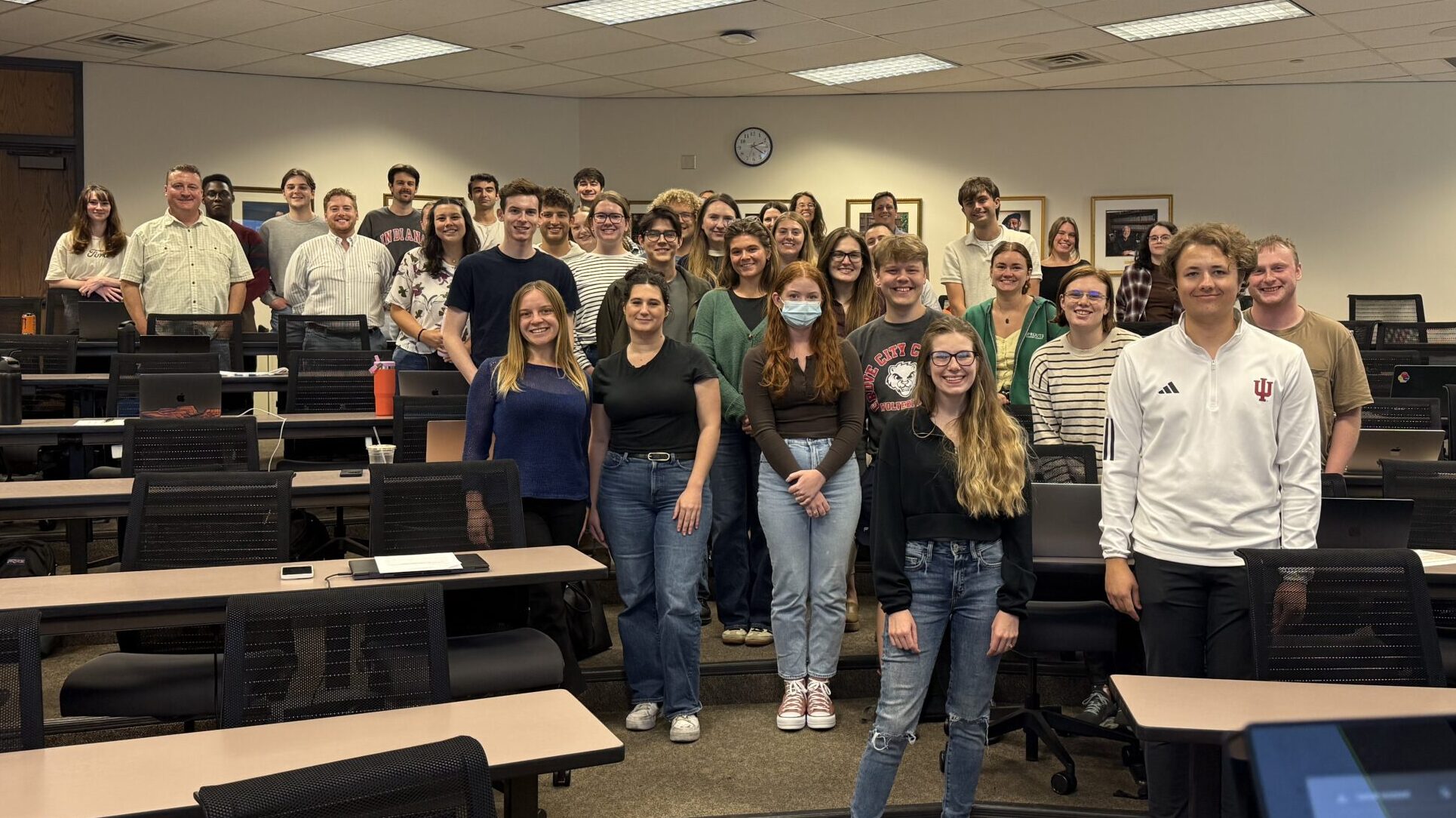
The Fall 2025 Clinic cohort was the largest in its 20-year history with nearly 40 enrolled students. The students spent the semester working, under CLC attorney supervision, on projects that spanned litigation, legislative drafting, administrative comments, nonprofit advising, and policy analysis. Their work included supporting an appeal involving open-meeting requirements, evaluating hazardous chemical reporting requirements, drafting comments on proposed industrial operations, advising nonprofits on complex compliance obligations, translating dense legal requirements into practical guidance, preparing expert examinations and motions in limine, navigating massive administrative records, drafting legislative materials, and more.
The students clearly learned a lot about the law, yet beneath the surface of each project was something deeper: the steady accumulation of professional judgment and personal confidence. Students had to enter unfamiliar terrain, ask the right questions, and learn to work productively in the gray areas of the law.
These experiences directly cultivate core lawyering competencies like issue spotting and analysis, legal research and writing, investigation and evaluation, and client counseling and advising. These capacities are central to both effective practice and the NextGen Bar Exam’s emphasis on applied legal skills. Some students also served as teaching assistants, further refining their abilities to edit constructively, manage projects, and mentor peers.
Across all groups, one theme persisted: students learned to trust themselves. They discovered that it’s normal not to know the answer right away and that good lawyering often begins with curiosity rather than certainty. They learned how to ask better questions and when to seek an expert. They got comfortable being uncomfortable and built confidence as the facts slowly but surely “clicked.”
What we witnessed this semester was not only hard work, but camaraderie, curiosity, and a deepening sense of personal purpose. The Conservation Law Clinic gave them the chance to step into the role of lawyer, not someday, but now.