Not everyone has an equal opportunity for a clean and healthy environment
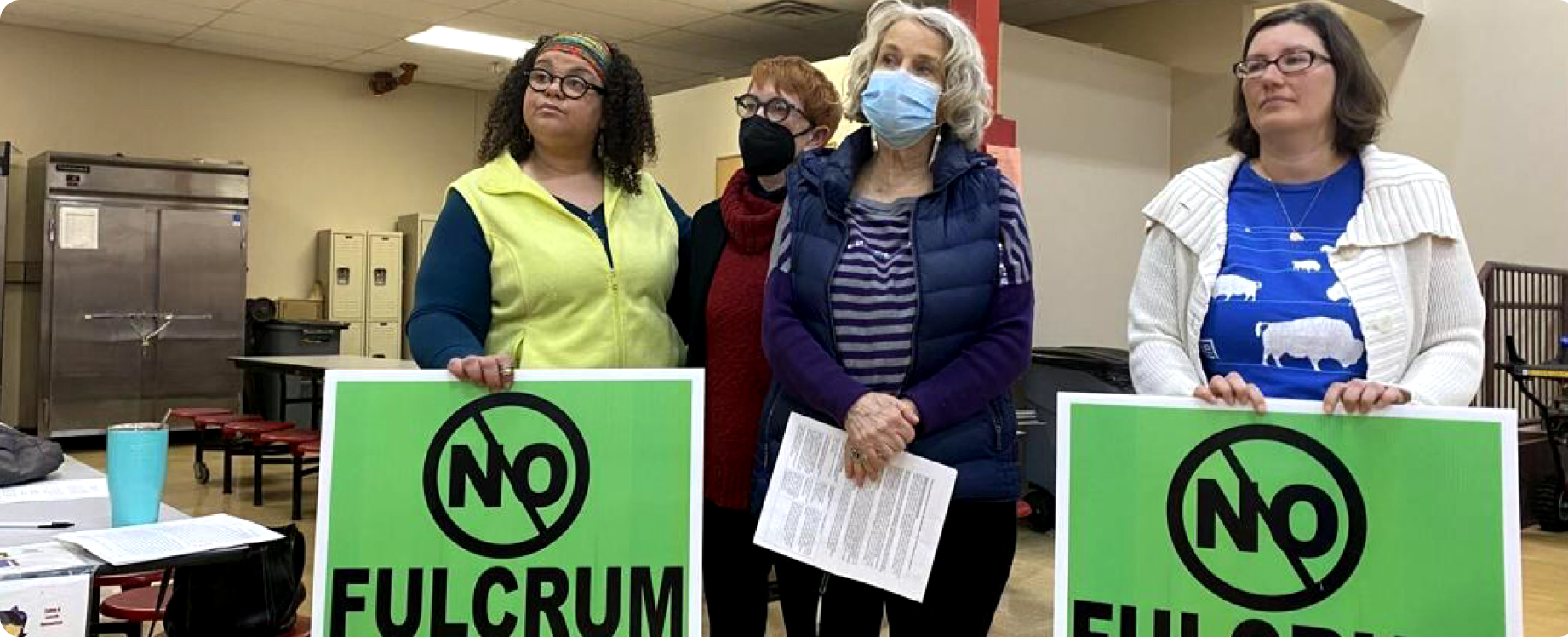
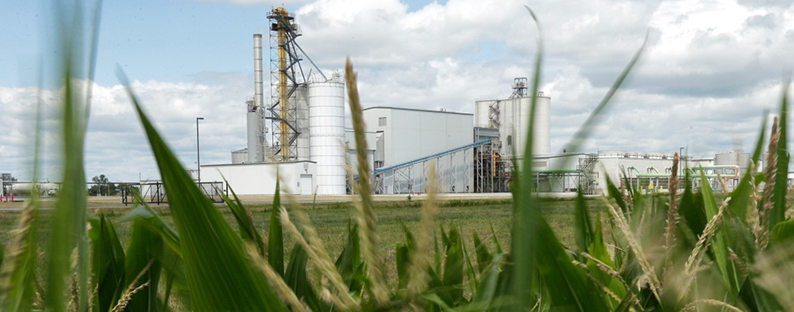
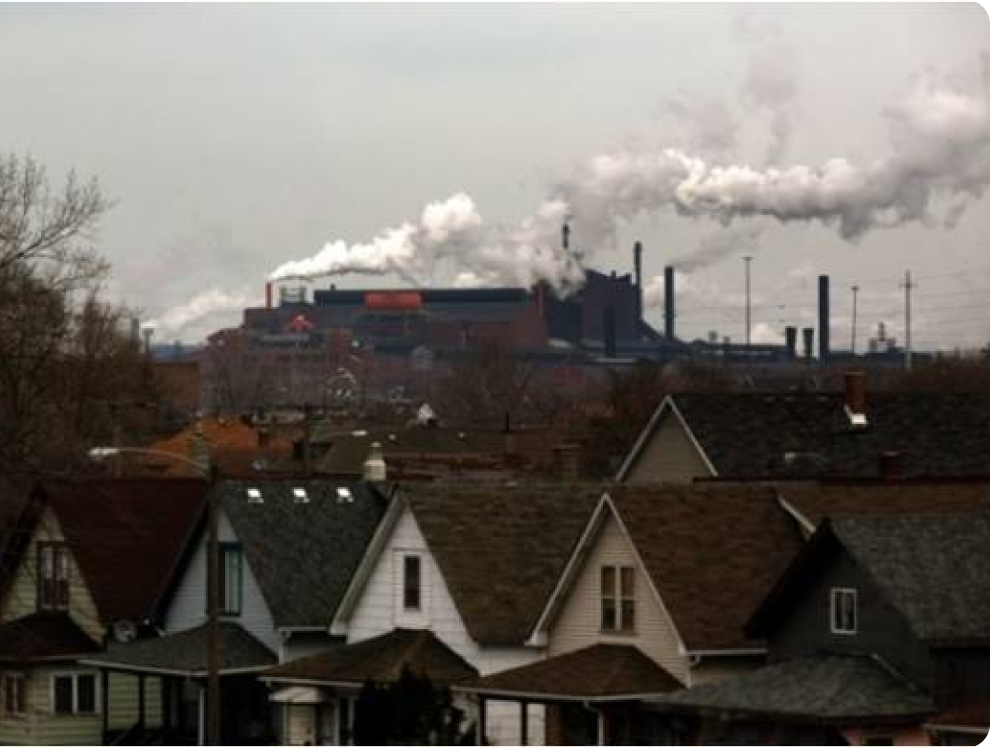
Communities of color and low-income populations in northern Lake County, Indiana suffer chronic environmental burdens and related health risks from the extreme concentration of polluting industries that have been allowed to locate there. As a result, they breathe some of the most polluted air in the country, live near highly polluted waterways, and suffer from elevated asthma and cancer rates. Not all communities have been treated the same when navigating land use or environmental regulation. Unlike well-resourced industries, some communities cannot afford to hire the environmental lawyers and experts that are needed to understand and navigate complex environmental regulatory processes. Consequently, the community's interests are not fairly represented or considered in environmental decisions that impact their health and quality of life.
Facts about environmental injustice
Disproportionate Environmental Burden
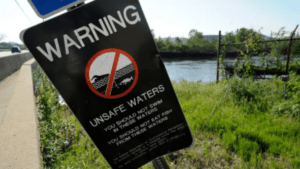
Communities of color and low-income populations nationwide bear a disproportionate burden of environmental hazards and health effects. This issue is particularly evident in Indiana cities like Gary, Hammond, and East Chicago, where predominantly Black, Hispanic, and economically disadvantaged populations are treated as sacrifice zones and exposed to some of the country's most polluted air and contaminated land and waterways due to the area’s extreme concentration of heavy industry.
Systemic Barriers to Citizen Engagement
Historic and overtly discriminatory land use laws such as racially restrictive covenants and redlining largely contributed to the environmental injustices that continue to this day. The problem persists to this day because of ongoing systematic inequalities in zoning, environmental regulation and other structural elements such as housing and health care.
Complex Environmental Laws and Regulations
The numerous environmental laws, such as NEPA, the CAA, and the CWA, create complex administrative processes that are challenging for individuals to navigate without expertise in environmental law or the financial resources to hire those who do. This complexity disadvantages certain communities over others, allowing more affluent areas to utilize environmental laws to oppose unwanted industrial developments.
Programs & Publications
Program
Environmental Legal Aid Program
Service
Legal Advocacy
Did you know...
Statistically, African American people in the U.S. are exposed to 56% more pollution than they produce,
while Hispanic people are exposed to 63% more pollution than they produce. In contrast, white people are exposed to 17% less pollution than they produce.
National Academy of Sciences 2019
Northern Lake County has 423 hazardous waste sites
and the highest proportion of land devoted to industrial activity than any area of the state.
Hoosier Environmental Council
Standing Up for Communities in Zoning and Land Use Decisions
Influencing Environmental Policy for a Healthier Northwest Indiana
Supporting Research to Reduce Human–Wildlife Conflict in Tanzania
Strengthening Environmental Safeguards Through Permitting

Gary council blocks soil recycling facility
A company’s bid to open a soil recycling facility on the corner of Clay Street and15th Avenue in Gary was blocked after it failed to

Gary council to vote on go-ahead for soil recycling plant
An industrial firm is seeking to bring a new soil recycling facility to the corner of Clay Street and 15th Avenue in Gary.

EC council blocks metal recycler near school
The East Chicago Common Council voted to block a proposed scrap metal recycling facility near schools, a stadium, and a hospital after the Conservation Law

Gary resident sues commission for Open Door violations
A Gary resident has filed suit against the Little Calumet River Basin Development Commission, alleging illegal private meetings, ineligible members, and an improper lease tied


Green Steel Committee hopes to clean up Region steelmaking
Local advocates are pressuring Northwest Indiana’s steel mills to adopt cleaner technologies and curb toxic emissions. They warn the mills are among the nation’s top

Advocates Demand Stricter Oversight for Tradebe’s East Chicago Facility
Tradebe’s operations in East Chicago are under scrutiny as IDEM weighs two key permits: a renewal and expansion of the facility’s hazardous waste permit under
Earthjustice
The Natural Resources Defense Council
Northwestern Environmental Advocacy Clinic
Abrams Environmental Law Clinic
Environmental Integrity Project
Brown Faces Green Spaces
Faith in Place
Just Transition NWI
Environmental Law and Policy Center
Earth Charter Indiana
Hoosier Environmental Council